”"In Sweden, there are approximately 300,000 hunters according to a survey that Novus published in 2022 on behalf of the Swedish Hunters' Association's member magazine Svensk Jakt. Approximately twice as many tell Novus that they hunted during the year. 1.3 million Swedes over the age of 18 stated in the survey that they hunt themselves or have a family member who does so. The largest proportion of these are found in Norrland (13 percent) as well as in Småland and on Öland and Gotland (eight percent). In Skåne, at the time of writing, we have approximately 20,000 people who have obtained a state hunting license and are thus actively hunting in some form.
Hunting is inherently changeable and, like other phenomena, its practice also follows the spirit of the times. For many thousands of years, Sweden was a hunting society where the people in the place where they lived and worked also managed the game and the forest, the land and the resources. Today, hunting is governed by political decisions from Stockholm and the EU. Decisions that then strongly affect our local communities, as a regulatory framework like a template should fit all different conditions. Of course, this does not work in practice.
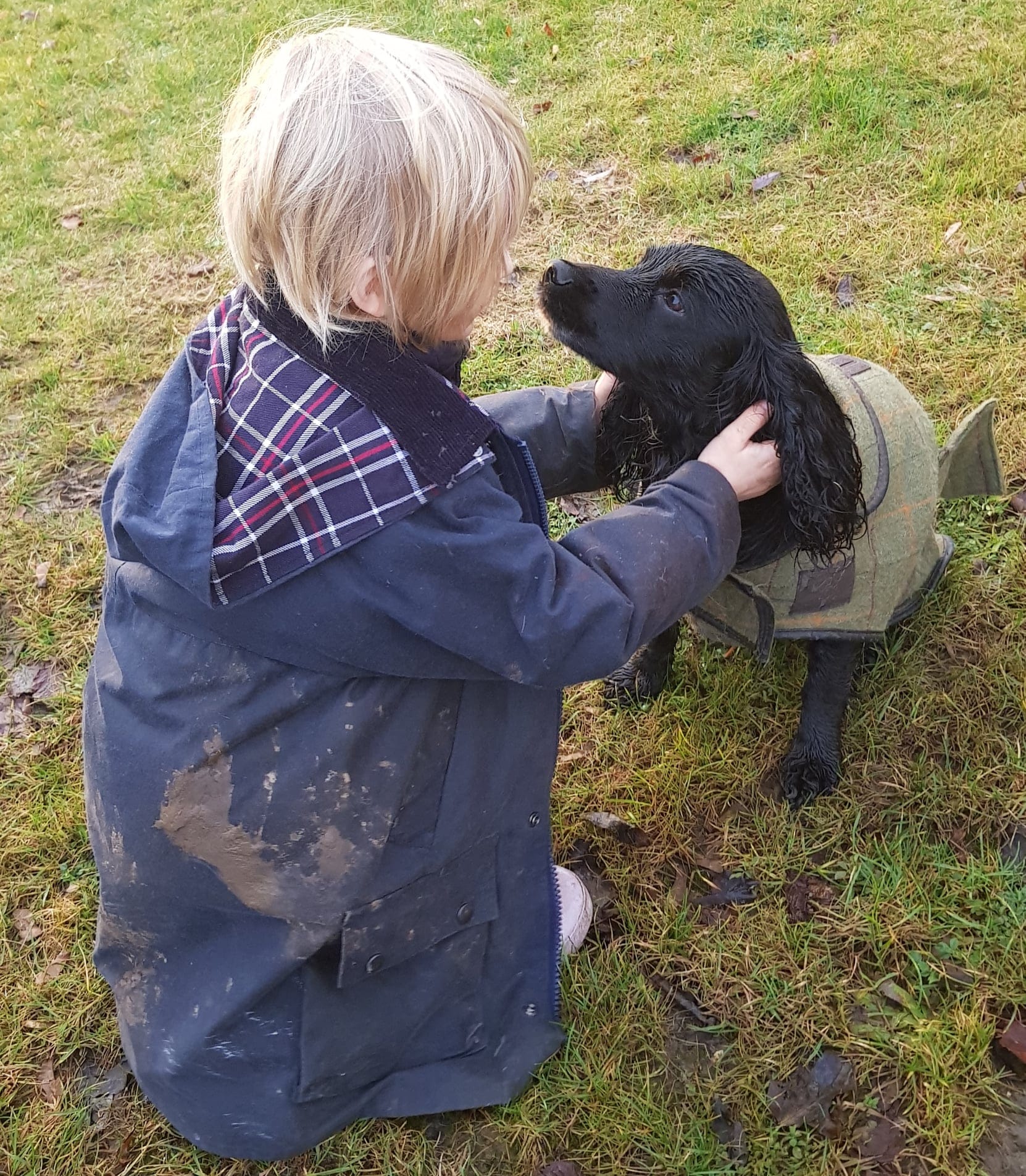
Despite the development of society, we humans have not changed from an evolutionary perspective. And we are all still prepared to see food on the table as a right. Hunting today is a privilege that should be cherished humbly and from a knowledge perspective. It is no longer a God-given right to go out and hunt what you need. When I hunt with my eight-year-old, it aims to teach him about nature, game and respect. He has today chosen to eat meat, and as a parent who hunts, I believe that it is part of his education to also have a good idea of where all the food he eats comes from.
What the majority of hunters have in common is that they continue to enjoy the fantastic meat that is both organic and natural, as the animals roam free until the day they are shot. In the forest, there are no cramped stables, industrially stressed animals or slaughter transports. In parallel with this, the gap is growing wider between those who care for, manage and hunt game and those who see hunting as a pleasure for those who can afford it, and for those who, even though it is no longer necessary, still continue to hunt our Swedish game. From the time when the peasant hunt used to be a way to provide the family and the farm with food, hunting has increasingly become something that many people engage in as a pure interest and lifestyle.
Hunting is a stigmatized issue. And these issues tend to polarize quite statically over time. We see this, among other things, in the resistance movement to hunting that has emerged and is taking its place in the public sphere. The term also includes more shady groups that deliberately threaten, vandalize, abuse and hang out individual representatives of hunting and hunting issues with their names and addresses, and call for action against them and their relatives. Part of this also includes spreading disinformation on social media and on forums like Flashback.
Hunting is therefore not just hunting. Since I became part of the hunting community, I have met both sides. When I wrote about the wolf issue, I have received phone and email threats from both those who want to leave the wolf untouched in our communities at all costs, and those who have an absolute zero tolerance for the number of individuals. In fact, both express themselves equally threateningly when it comes to an extreme.
As in all other strongly polarized debates, it is desirable that the sober middle on both sides be allowed to make their voices heard. To quote Stig-Björn Ljunggren (leader Sydöstran 2023-12-12):
”Reality is composite.”

By: Maria Lundgren. Journalist, writer and communicator for Leader Skåne Mitt Nordväst and Leader northwestern Skåne with Öresund
The text is an excerpt from an essay from 2023 under the same name.