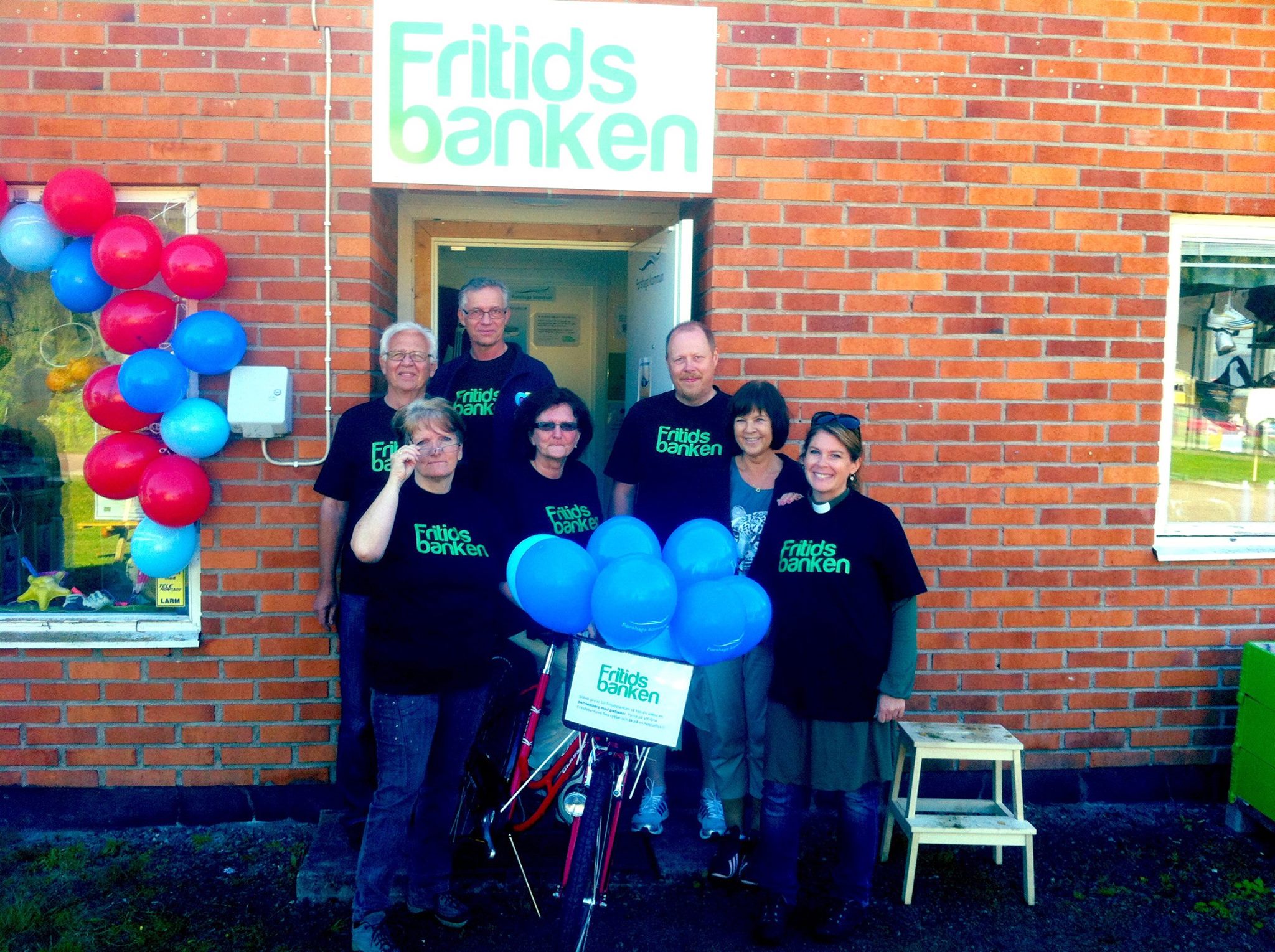
Fritidsbanken is not just a success story about reuse and joy of movement. It is also a story about how locally led development works in practice.
When we talk about successful examples of local development, large investments, extensive investments, or national initiatives are often mentioned. But sometimes change starts with a simple question.
Why are there libraries for books, but not for sports and leisure equipment?
Today, Fritidsbanken exists in 131 locations across Sweden and lends out millions of sports and outdoor items for free each year. But everything started with a local idea in Deje in Värmland.
And yes, it actually started as a Leader project.
From local need to a new idea
In 2013, Carina Haak worked as a deacon in the Nedre Ullerud parish, now Forshaga-Munkfors parish. In her work, she met families whose children sometimes could not participate in school activities or leisure activities because the equipment cost too much. At the same time, she knew that there was a lot of fully usable equipment lying unused in garages, storage rooms, and basements. The idea grew of a place where people could donate equipment they no longer needed and where others could borrow it for free. Together with Forshaga municipality, Ullerud parish, and the project Ett Öppnare Värmland, the idea began to take shape.
That's why Leader became important
But many good ideas remain just ideas. To be able to test them, both resources and people who believe in them are required. At an early stage, Fritidsbanken received support through Leader Närheten in Värmland. And now something happened, something that many Leader projects recognize. Someone believed in the idea and said yes. This is also where the Leader method becomes so clear. Fritidsbanken was not built by a single organization. It grew through collaboration between the non-profit sector, the public sector, and local development actors. People with different skills and perspectives came together to meet a common need. Exactly the type of collaboration that Leader is based on.
A local idea that now exists everywhere
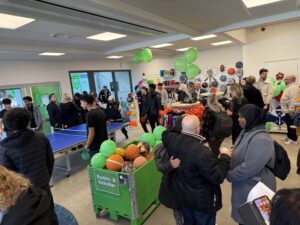
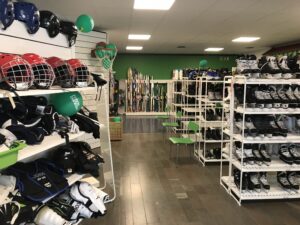
In March 2026, Fritidsbanken Sweden announced that the operation now exists in all Swedish counties. A total of 131 operations from Kiruna in the north to Trelleborg in the south. Over 70 percent of Sweden's population now has access to a Fritidsbank in their municipality, and more establishments are on the way. And the demand continues to increase. During 2025, a record-high 2.2 million sports and leisure items were loaned out. This corresponds to hundreds of thousands of opportunities for children, young people, and adults to try new activities, get out into nature, and be physically active without the cost of equipment being a barrier. Today, Fritidsbanken contributes to increased public health, reduced economic vulnerability, stronger community life, and smart reuse across the country.
A fantastic example of the power of locally led development!
What is the next big idea?
Every year, we within Leader meet engaged people who want to develop their community, create meeting places, strengthen the community, or find new solutions to local challenges. Most of them probably don't even think that their idea can spread across the country.
The initiators behind Fritidsbanken did not either. But their story shows that major changes often start on a small scale in a small place. And with someone who dares to say:
”This is what we believe in!”
Images: Fritidsbanken